
Tub to shower conversion Tampa Bay Florida
Licensed Tub to Shower Conversion Contractor — Tampa Bay, FL

Tub to Shower Conversion in
Manatee, Hillsborough
& Pinellas Counties

Florida License No. CBC1264493  |  Serving the Tampa Bay Area Full tub-to-shower conversions done honestly — drain upgrade from 1.5 to 2 inches, slab-on-grade concrete cutting where required, continuous waterproofing membrane, and the resale conversation most bath companies skip entirely.
Florida Licensed & Insured — CBC1264493
Drain Upgraded 1.5" to 2" — Permitted
Slab-on-Grade & Cast Iron Tub Experience
Resale Value Conversation Before Every Conversion
Licensed & Insured FL License No. CBC1264493
Proper Drain Upgrade 1.5" to 2" — Every Conversion
Slab-on-Grade Expert Florida-Specific Concrete Work
Waterproofing Membrane Behind Every Tile — No Exceptions
The Honest Starting Point

Look, That Bathtub Has Not Been Used in Years. You Know That Already.

Most tub-to-shower conversion conversations start the same way. The homeowner tells us they have not taken a bath in the last two, five, sometimes ten years. The tub is there, the grout is graying, the caulk has been replaced a few times, and every morning they have to step into it just to use the showerhead attached above it. That arrangement made sense in 1972 when the bathroom was designed. It makes very little sense now. Tampa Bay has a particular version of this story. Older homes throughout St. Petersburg, Clearwater, Largo, and Gulfport were built with one standard alcove tub in the primary bathroom. One tub, one showerhead on the wall above it. The bathtub itself may be an original cast iron unit that weighs three hundred to five hundred pounds and has been in that room since before the current owners were born. Or it might be a thirty-year-old fiberglass unit from the 1990s that is now clouded, stained, and showing surface cracks at the drain area. Either way, it is taking up real estate in a bathroom that could be significantly more functional. Here is the thing though. A tub-to-shower conversion in a Tampa Bay home is more involved than most franchise bath companies will tell you. Florida slab-on-grade construction, the drain upgrade requirement, the waterproofing standard for a Florida climate, and the resale consideration for homes with only one bathtub all require honest planning before any tile is chosen. We have seen too many conversions done quickly without those conversations. The resulting showers look fine for a year or two, then start showing the consequences. Flagstone Builders provides tub-to-shower conversion services throughout Manatee, Hillsborough, and Pinellas Counties. We do this work honestly and completely. Every project, every time. In our experience, the conversions homeowners are happiest with are the ones planned completely, not the ones promised in one day.
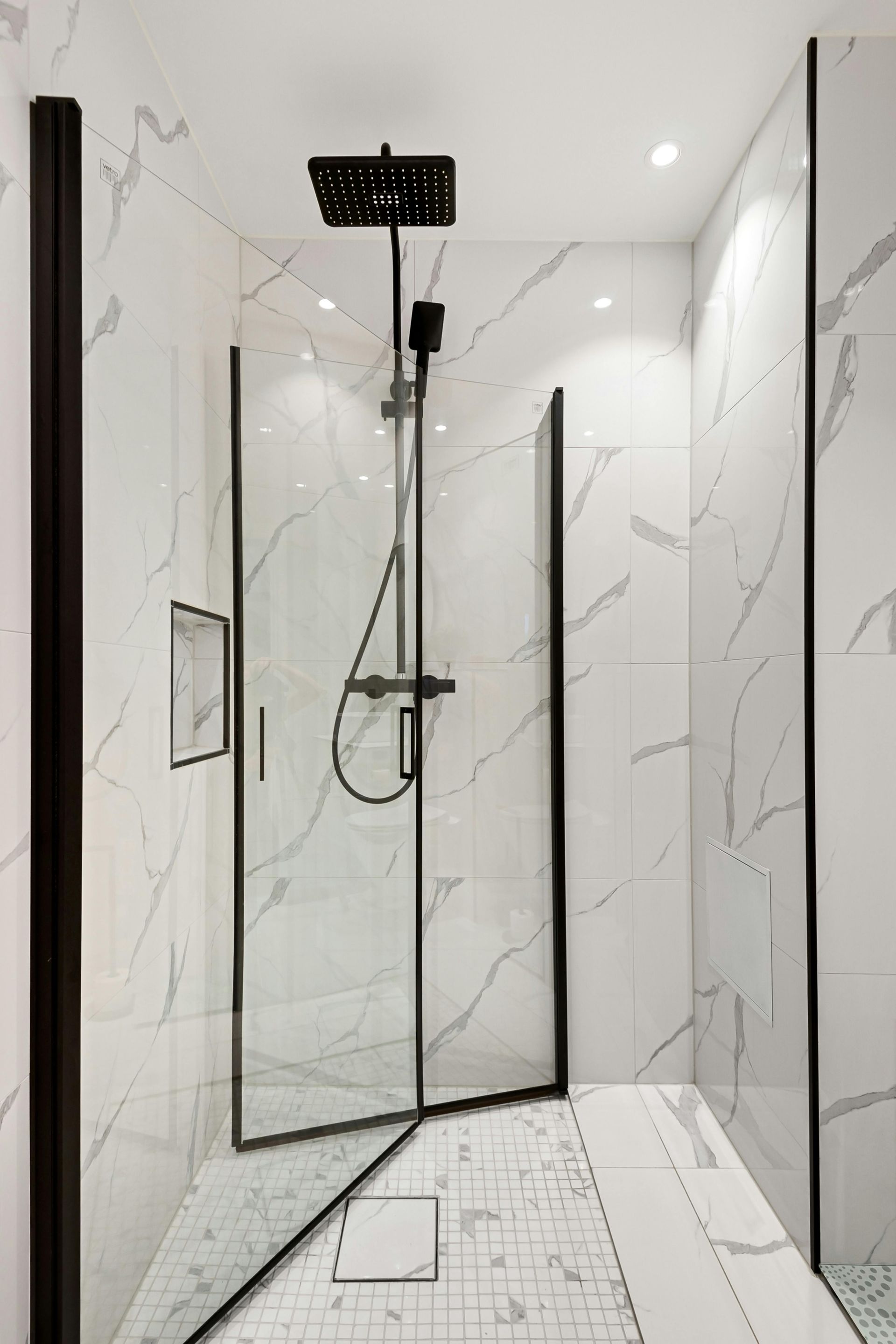
Tub to shower conversion Tampa Bay Florida slab
500+ Projects Completed
3 Counties Served
74% Buyers Prefer Tub & Shower — NAHB
2" Drain Upgrade on Every Conversion
Why Tampa Bay Trusts Us

Why Tampa Bay Homeowners Choose Flagstone Builders for Tub to Shower Conversions

Flagstone Builders is a fully licensed and insured general contractor under Florida License No. CBC1264493. We provide tub to shower conversion services throughout Pinellas County, Hillsborough County, and Manatee County, including St. Petersburg, Tampa, Clearwater, Bradenton, Largo, Palm Harbor, Tarpon Springs, and surrounding communities. We have completed tub-to-shower conversions across all three counties at every scope level. Simple prefabricated acrylic shower installations in Pinellas Park and East Lake where the goal was a functional, clean result at a realistic budget. Custom tile walk-in shower conversions in South Tampa and Westchase neighborhoods where homeowners wanted frameless glass and large-format porcelain. Curbless aging-in-place conversions in Palm Harbor and Tarpon Springs where eliminating the tub step-over was a safety priority. Conversions in pre-1980 bungalows in St. Petersburg's Historic Kenwood and Gulfport neighborhoods where original cast iron tubs required careful extraction before any new work could begin. Every one of these projects taught us something specific about how tub-to-shower conversions actually work in Tampa Bay homes. We are particularly careful about two things on every conversion project. First, the drain work. A bathtub drain is one and a half inches in diameter. A shower drain must be two inches in diameter. That difference is not optional and not cosmetic. The drain line must be upgraded as part of every conversion. In Florida slab-on-grade homes, where the drain lines run through the concrete rather than through an accessible wood subfloor, this may require cutting into the slab to access and reroute the line. We assess this condition at every project before pricing. Second, the waterproofing. The tile and grout you see in a finished shower are not the moisture barrier. A continuous waterproofing membrane installed over the backer board is what keeps water out of the walls. In Florida's subtropical humidity, skipping or shortcutting the waterproofing layer produces visible mold and structural damage within a few years. We install a properly specified waterproofing membrane on every conversion project. This is not negotiable in this climate. We handle all permitting for conversions that require it. In Florida, tub-to-shower conversions involving plumbing changes, electrical work, or structural modifications require permits in Hillsborough, Pinellas, and Manatee Counties. Because nearly every conversion involves at minimum a drain upgrade, most projects in these counties require a permit. We prepare and submit all applicable permit applications as part of our standard scope. Customers tell us consistently that what they valued most was our willingness to explain the slab situation and the real timeline before they committed to anything. In our experience, the conversions homeowners are happiest with are the ones planned completely, not the ones promised in one day.
🛡
FL General Contractor License No. CBC1264493 Verifiable through Florida Dept. of Business & Professional Regulation
Flagstone Builders tub to shower conversion Tampa Bay

Service You Can Trust! Call Flagstone Builders today for a free in-home tub to shower conversion estimate — no pressure, no obligation.

Get Free Estimate
The Full Picture

What a Complete Tub to Shower Conversion Actually Involves

Let us walk through what a tub-to-shower conversion in a Tampa Bay home actually requires. Most competitors describe this as a surface project. It is not. Here is the full honest picture.
Tub drain to shower drain upgrade Tampa Bay Florida slab
1

The Drain Upgrade: The Step Everyone Skips in the Marketing

Every tub-to-shower conversion requires a drain upgrade. A standard bathtub drain runs one and a half inches in diameter. A shower drain must be two inches. The drain line itself needs to be upgraded, not just the visible drain assembly. In a wood-frame construction home, accessing the drain line to upgrade it is relatively straightforward. In a Florida slab-on-grade home, the drain line runs through the concrete slab beneath the bathroom floor. Accessing it requires cutting through the slab, rerouting or upgrading the drain line, and repouring the concrete with adequate cure time before tiling can begin. We assess slab conditions and drain location at every conversion site before we provide an estimate. This is the single most important variable in Tampa Bay conversion pricing, and it is the one most often glossed over in one-day franchise marketing.
💡 A drain relocation or upgrade that costs nine hundred to eleven hundred dollars in a raised-foundation home can cost three to five thousand dollars more in a Tampa Bay slab home once concrete cutting, drain work, and slab repair are factored in. National cost guides understate this consistently.
2

The Waterproofing Standard for Florida Conversions

After the drain work, the waterproofing system is the most important element of a Florida tub-to-shower conversion. Grout is not a waterproofing system. It is a filler and surface material. A properly built shower in Florida has a continuous sheet or liquid-applied waterproofing membrane installed over the backer board before any tile is placed. That membrane is the actual water barrier. In Tampa Bay's subtropical humidity with year-round moisture in the air, a shower built without a continuous membrane behind the tile will show moisture damage and mold within a predictable number of years. We install a proper waterproofing membrane on every conversion project. This adds a modest amount to the project cost. It prevents several thousand dollars of remediation work later.
💡 View our shower services page for complete information on waterproofing membrane systems, backer board standards, and shower floor slope requirements for Tampa Bay homes.
Shower waterproofing tub to shower conversion Tampa Bay
Prefab vs custom tile tub to shower conversion Tampa Bay
3

Prefabricated Versus Custom Tile Conversion

Homeowners choosing a tub-to-shower conversion have two main surface options. A prefabricated acrylic or fiberglass shower system uses factory-manufactured wall panels and a shower base that install over the existing footprint. A prefab system is the right choice when the budget needs to be managed, the plumbing connections stay in the same location, and the homeowner wants a reliable, low-maintenance result quickly. It installs faster and costs less than custom tile work. A custom tile shower is built in place from the backer board and waterproofing membrane out to the tile surface. It allows for any dimensions, any tile selection, design features like niches and benches, curbless entry, or linear drain configurations. Custom tile showers cost more and take longer but produce a result that is uniquely suited to the space and typically performs better over a twenty-year lifespan when the waterproofing substrate is built correctly.
4

The Resale Value Conversation Worth Having First

This is the conversation most bath franchise companies skip entirely. Research from the National Association of Home Builders found that 74 percent of buyers prefer a tub and shower in the primary bathroom. Tampa Bay's real estate market reflects this buyer preference consistently. If the bathtub being converted is the only bathtub in the home, removing it may narrow the buyer pool when the home is eventually listed. Real estate professionals in this market regularly note that homes with zero bathtubs generate fewer offers from families with young children. If the home has a second bathroom with a bathtub, this consideration is largely resolved. If the conversion would eliminate the home's only tub, we raise this question before the project begins. We would rather have that conversation than have a homeowner discover it at listing time.
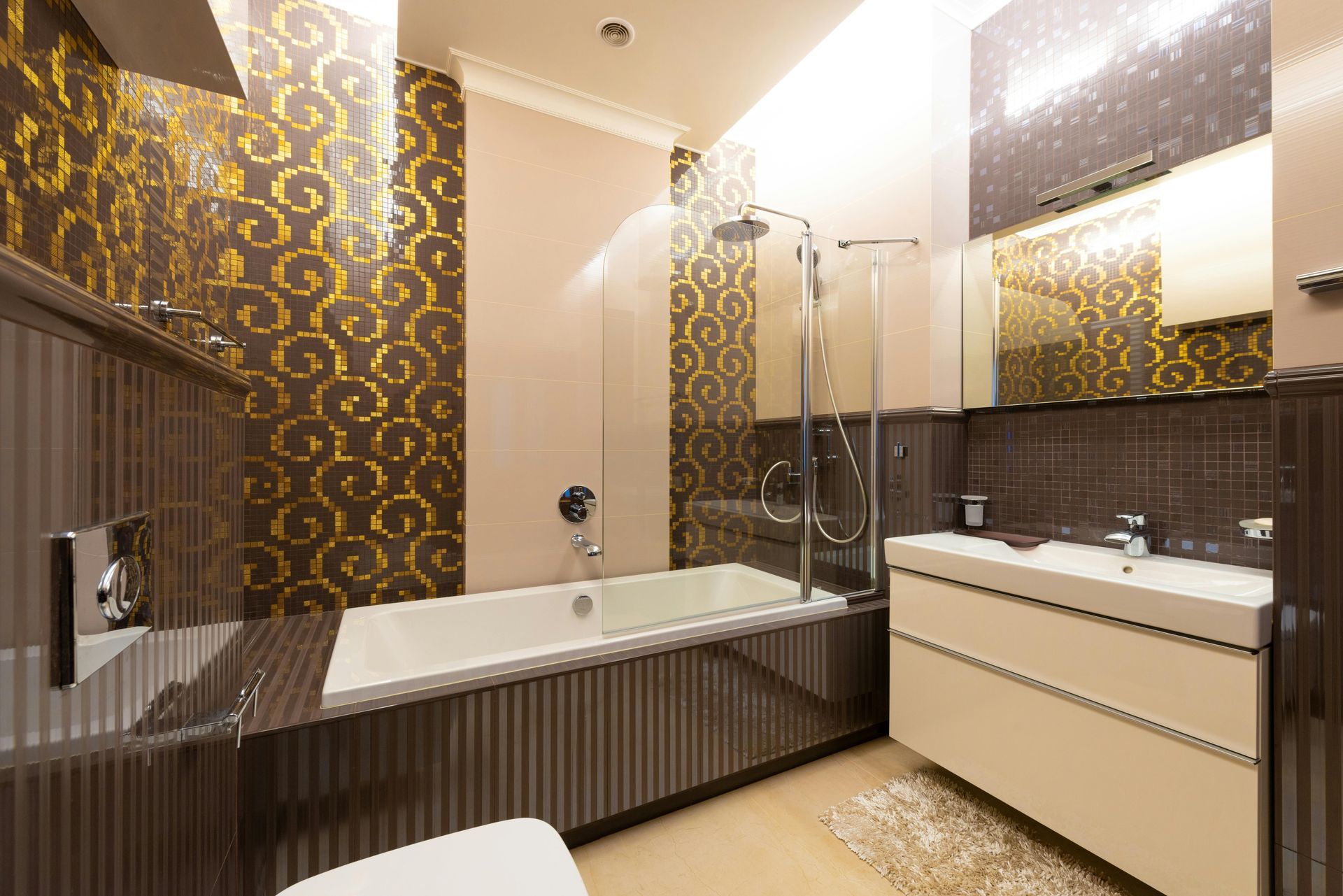
💡 View our bathtub services page for guidance on when bathtub replacement is a better solution than a full conversion, especially for homes where keeping at least one tub is important for resale.
Resale value tub to shower conversion Tampa Bay Florida
Aging-in-place curbless tub to shower conversion Tampa Bay
5

Aging-in-Place and Accessibility Conversions

Tampa Bay has one of the largest concentrations of older adults in the United States. Accessibility is a genuine and common reason for tub-to-shower conversions across Pinellas, Hillsborough, and Manatee Counties. A curbless or zero-entry walk-in shower eliminates the step-over hazard that makes a bathtub dangerous for adults with limited mobility. In CBS concrete block construction, installing grab bar blocking in the walls requires a specific approach because the hollow block cavities do not support standard toggle anchors. We are experienced with grab bar blocking and curbless design in both CBS and wood-frame construction across all three counties.
💡 For aging-in-place conversions, curbless entry, grab bar blocking in walls before backer board is applied, non-slip floor tile with adequate coefficient of friction, and handheld showerhead installation are all functional requirements, not optional upgrades.
How We Work

Our Tub to Shower Conversion Process: What to Expect

Here is how a conversion project moves from first contact to finished shower. We say typically because Tampa Bay slab homes and pre-1980 construction regularly reveal conditions that change the scope during demolition. We tell you honestly when that happens.
1
Free In-Home Assessment We visit the bathroom, assess the tub and surround condition, identify the drain location and type, evaluate the slab for access, check exhaust ventilation and GFCI outlet placement, and look for any signs of moisture damage behind the existing surround.
2
Scope, Design & Estimate We document the shower type, dimensions, waterproofing specification, all surface materials, glass enclosure or curtain configuration, drain upgrade scope, all plumbing and electrical work, the complete timeline, and full payment schedule. For older homes, we include honest contingency guidance for hidden conditions.
3
Permit Applications Nearly all tub-to-shower conversions involve a drain upgrade, which requires a permit in Hillsborough, Pinellas, and Manatee Counties. We prepare and submit all permit applications before any demolition begins.
4
Tub Removal & Discovery The existing tub, surround, and any failing substrate material are removed. This is where hidden conditions become visible. Mold behind the surround, soft subfloor below the tub-to-floor joint, galvanized plumbing in older homes, or unexpected framing conditions are documented and discussed with you before we proceed.
5
Slab Work & Drain Upgrade Where slab-on-grade construction requires it, concrete cutting is completed to access the drain line. The drain line is upgraded from one and a half inches to two inches in diameter. The slab opening is repoured and allowed to cure adequately before tiling begins. In wood-frame homes, drain access is simpler and this step is faster.
6
Rough Plumbing & Electrical New drain connection, shower valve rough-in, supply line connections, GFCI outlet updates, and exhaust fan wiring are completed and inspected before any substrate work begins. The shower valve is upgraded to a pressure-balance or thermostatic type as required by Florida Building Code for new shower installations.
7
Backer Board & Waterproofing Cement board is installed over all wet-area surfaces. A continuous waterproofing membrane is applied over the backer board before any tile is placed. The membrane is inspected before tiling begins. This step is not optional in Florida's climate.
8
Shower Floor & Tile The shower floor is sloped at a minimum of one quarter inch per foot toward the drain. For custom tile work, the mortar bed is floated and cured before tiling. Wall tile is set bottom-up with sealed penetrations throughout.
9
Glass, Fixtures & Walkthrough Glass enclosure or door is installed. Showerhead, valve trim, drain cover, and hardware are installed. All caulk joints are completed. We walk through every element with you before closing out the project.
Simple prefab tub-to-shower conversions without slab work typically complete in three to five business days. Custom tile conversions without slab cutting run five to ten business days. Conversions requiring concrete cutting for drain relocation typically run seven to fourteen business days including concrete cure time. We give you a realistic schedule upfront.
How We Do It Right

How We Approach Every Tampa Bay Conversion

We are particular about the tools, materials, and decisions we make at each stage of a tub-to-shower conversion. The differences that determine whether a conversion holds up for twenty years are mostly invisible once the tile is on. For grab bar blocking in CBS construction, we install solid wood blocking between the concrete block courses in the shower wall framing before backer board is applied. This blocking must be installed before any tile work so that grab bars can be anchored properly into solid material rather than hollow block cavities. We plan grab bar locations in advance with the homeowner.
🔨
Diamond Blade Concrete Saws for Slab-on-Grade Drain Work Slab cutting creates significant dust and requires containment to protect the rest of the home — after the drain work is complete, the slab opening is filled with appropriate concrete mix and allowed to cure before any floor preparation begins
💧
Two-Inch Drain Line Upgrade — Center or Linear Drain Options The drain assembly is appropriate for the shower type: a center drain in a standard alcove conversion, or a linear drain for curbless designs — linear drains allow large-format tile floor installations with a single-plane slope
🔒
Continuous Sheet or Liquid Membrane Over Cement Board We do not rely on grout as a moisture barrier in any Tampa Bay shower installation — the membrane is inspected before tiling begins on every project
Pressure-Balance or Thermostatic Mixing Valve — Florida Building Code Required when new shower plumbing is installed — these valves prevent scalding from pressure fluctuations and are a code requirement, not an upgrade option, when a conversion involves new rough plumbing
🧱
Grab Bar Blocking in CBS Walls Before Backer Board Solid wood blocking installed between the concrete block courses before any backer board is applied — hollow block cavities do not support standard toggle anchors — blocking is the correct method and must be done before tile begins
Tub to shower conversion materials waterproofing Tampa Bay
Why Planning Matters

The Real Cost of a Poorly Planned Tampa Bay Conversion

A tub-to-shower conversion done without the right substrate preparation, the right drain work, and the right waterproofing creates problems that cost significantly more to fix than the conversion cost itself. The hidden discovery factor is real and specific to Tampa Bay. Pre-1980 homes throughout St. Petersburg, Clearwater, Gulfport, and comparable neighborhoods frequently have mold established behind tub surrounds, soft subfloor material below the tub-to-floor joint, and plumbing conditions that require attention before a new installation can proceed correctly. We assess for these conditions at every project and include honest contingency guidance in estimates for older homes. Budget research supports setting aside ten to twenty percent above the base estimate for pre-1980 homes where demolition regularly reveals conditions that require remediation. These are not contractor excuses. They are physical realities of older construction. The drain conversion problem is specific to slab-on-grade construction. One-day installation marketing claims bypass the reality that a properly permitted tub-to-shower conversion in a Florida slab home requires concrete cutting, drain line work, and concrete cure time before tiling can begin. A conversion installed in one day in a slab home has either not had the drain properly upgraded or has not been permitted. Neither of those shortcuts produces a result that holds up or passes resale inspection. From a health standpoint, a shower conversion installed without correct waterproofing behind the tile will develop mold in the wall cavity within years. In Florida's year-round subtropical humidity, that timeline is accelerated compared to drier climates. Mold in a shower wall affects bathroom air quality and eventually spreads into adjacent wall cavities. For households with respiratory sensitivities, this is an active health consideration, not a cosmetic one. From a value standpoint, a well-executed tub-to-shower conversion in a Tampa Bay home with a bathtub available elsewhere in the property generally supports the home's market position. Research on bathroom remodel returns in competitive Florida coastal markets suggests that well-done bathroom renovations recover sixty to seventy percent of their cost at resale. The conversion needs to be permitted, waterproofed correctly, and completed with quality materials to support that return.
🔄 One-Day Claims in Slab Homes Miss the Reality

A properly permitted conversion with drain upgrade and concrete slab cutting requires concrete cure time, tile mortar cure, and grout cure. A conversion done in one day in a slab home has skipped the drain upgrade, the permit, or both.

🔍 10 to 20% Contingency for Pre-1980 Homes

Mold behind tub surrounds, soft subfloor below the tub joint, galvanized plumbing, and unexpected framing conditions are common discoveries in older Tampa Bay construction during demolition.

🌿 Mold in Wall Cavity — Active Health Issue

In Florida's year-round subtropical humidity, a shower built without correct waterproofing develops mold in the wall cavity within years. For households with respiratory sensitivities, this is not a cosmetic problem.

🏠 60 to 70% Resale Return When Done Right

Well-executed bathroom renovations in competitive Florida coastal markets recover sixty to seventy percent of cost at resale. Unpermitted work or poor waterproofing undermines that return entirely.

Licensed tub to shower conversion contractor Tampa Bay Flagstone Builders
Why Trust Us

Why You Can Trust Flagstone Builders With Your Conversion

A tub-to-shower conversion opens your bathroom for a week or more. It involves plumbing work, potential slab cutting, tile installation, and a finished result that defines how your primary bathroom functions every day for years. The stakes are real. Customers often tell us that what distinguished our process was the conversation before the project began. We explained the slab situation, the drain requirement, the permit process, and the realistic timeline. We did not oversell a one-day miracle. What they tell us after is that the finished shower worked exactly as described, the timeline was realistic and mostly kept, and when hidden conditions were found during demolition they were communicated honestly before any additional work was done. We are a fully licensed and insured general contractor under Florida General Contractor License No. CBC1264493. All tub-to-shower conversion work performed under our license is covered by our general liability insurance and workers compensation coverage. We do not use unlicensed plumbing or tile labor on conversion projects. Every trade working in your bathroom is covered and accountable. Our written contracts document every element of a conversion project in specific detail. Shower type and dimensions. Waterproofing membrane specification. Tile material and format. Glass enclosure style. Drain upgrade scope. All plumbing and electrical work. The complete timeline. The full payment schedule. We do not begin work without a signed agreement and we do not change scope mid-project without your written approval and a formal change order. We stand behind the finished conversion. If a drain connection develops a leak, if a tile separates from the wall, if a caulk joint fails within the warranty period due to installation workmanship, we come back and address it. That standard applies to every project we complete.
🛡
FL General Contractor License No. CBC1264493 Verifiable through Florida Dept. of Business & Professional Regulation
Hyper-Local Knowledge

What We Know About Tub to Shower Conversions Across Tampa Bay

Here is the local context that most Tampa Bay conversion pages skip. This is information that affects how a conversion should be planned and priced in this specific market.
Florida Slab-on-Grade Drain Access — Why Tampa Bay Costs More Than National Guides Say Florida slab-on-grade drain access is the biggest variable in Tampa Bay tub-to-shower conversion pricing. Most homes in Tampa Bay built after the mid-1950s have concrete slab foundations. The drain lines run through the slab itself, not through accessible subfloor cavities as in wood-frame construction states. A drain relocation or drain upgrade that would cost nine hundred to eleven hundred dollars in a raised-foundation home can cost three to five thousand dollars more in a Tampa Bay slab home once concrete cutting, drain work, and slab repair are factored in. National cost guides written for wood-frame majority markets understate this cost consistently. We give Tampa Bay homeowners an honest slab-specific estimate before any work begins.
Cast Iron Tub Removal in CBS Construction — Historic Kenwood, Old Northeast, Euclid-St. Paul, Gulfport Cast iron tub removal in CBS construction affects pre-1980 homes in older neighborhoods throughout St. Petersburg's Historic Kenwood, Old Northeast, Euclid-St. Paul, Gulfport, and comparable communities in Clearwater and Largo. Original cast iron alcove tubs in these homes can weigh between three hundred and five hundred pounds. Removing them from small original bathrooms with tight doorways requires careful planning, correct surround removal sequence, and sometimes temporary doorframe modification. We are experienced with this specific condition across the Tampa Bay older housing stock. It affects both cost and timeline and should be assessed before any conversion estimate is given.
One-Day Installation Claims — What Gets Skipped in Florida Slab Homes One-day installation claims in Florida slab homes are misleading for nearly every full tub-to-shower conversion. A properly permitted conversion involving a drain upgrade and concrete slab cutting requires concrete cure time of at least twenty-four to forty-eight hours before tiling can begin, plus tile mortar cure time before grout, plus grout cure time before caulk. The notion that this sequence completes in one working day should raise questions about what steps are being skipped. We give homeowners realistic timelines of five to fourteen business days depending on scope and slab conditions.
Aging-in-Place Demand — Palm Harbor, Tarpon Springs, Clearwater and Beyond Aging-in-place demand across Tampa Bay is higher than in most U.S. markets. Pinellas County has one of the oldest median-age populations of any large Florida county. Many tub-to-shower conversions we perform across Palm Harbor, Tarpon Springs, Clearwater, and comparable communities are driven by mobility safety concerns rather than aesthetic preference. For these projects, curbless entry, grab bar blocking, non-slip floor tile with adequate coefficient of friction, and handheld showerhead installation are functional requirements, not optional upgrades. We approach aging-in-place conversions with the accessibility design specifics they require, not a generic conversion.
Post-2000 Builder-Grade Fiberglass at End of Life — Westchase, New Tampa, Carrollwood, Bradenton Suburbs For homeowners in newer Tampa Bay developments in Westchase, New Tampa, Carrollwood, and the Bradenton suburbs, builder-grade fiberglass tub and surround combos from the 1990s and 2000s are now at or past their typical useful life. These units cloud, stain, and develop surface cracks at the drain area. They are the most common tub-to-shower conversion starting point in those communities. The good news is that the plumbing in these homes is typically newer and in better condition than in pre-1980 housing stock, and slab access for drain work is often less complicated than in older construction.
74% Buyer Preference for Tub and Shower — The NAHB Data Tampa Bay Sellers Need Research from the National Association of Home Builders found that 74 percent of buyers prefer a tub and shower in the primary bathroom. Tampa Bay's real estate market reflects this buyer preference consistently. If the bathtub being converted is the only bathtub in the home, removing it may narrow the buyer pool for families with young children. If the home has a second bathroom with a bathtub, this consideration is largely resolved. We raise this question before the project begins — not after.
Our Commitment

Why Homeowners Choose Flagstone Builders for Tub to Shower Conversions

We believe strongly that a tub-to-shower conversion done right in Tampa Bay looks different from a tub-to-shower conversion done fast. The slab work, the drain upgrade, the waterproofing membrane, and the permit process are the elements that determine whether the finished shower performs for twenty years or starts failing at five. We are pretty particular about getting those elements right before anything visible happens.
  • Florida Licensed & Insured General Contractor License No. CBC1264493 — verifiable through the Florida DBPR online system
  • Honest Slab Assessment Before Pricing We assess slab conditions and drain location before providing any estimate — Florida slab drain work adds cost that most competitors do not disclose upfront
  • Proper Drain Upgrade on Every Conversion The one-and-a-half-inch tub drain line is upgraded to the two-inch diameter required for shower drain function — this is not optional and it is permitted
  • Waterproofing Membrane on Every Conversion Continuous sheet or liquid-applied membrane over all backer surfaces before any tile is placed — grout is not a moisture barrier in Florida
  • Resale Value Conversation Before Project Start We discuss the NAHB buyer preference data on bathtubs before converting a home's only tub to shower
  • CBS Construction & Cast Iron Tub Experience We know how to extract original tubs from pre-1980 St. Petersburg, Clearwater, and Gulfport homes and how to install grab bar blocking in concrete block walls
  • Realistic Timelines With Permit Management We do not promise one-day conversions for Florida slab homes — we give you an honest schedule and manage all permit applications
  • Free In-Home Assessments & Written Estimates No pressure. No obligation. You know the full scope and cost before any commitment.
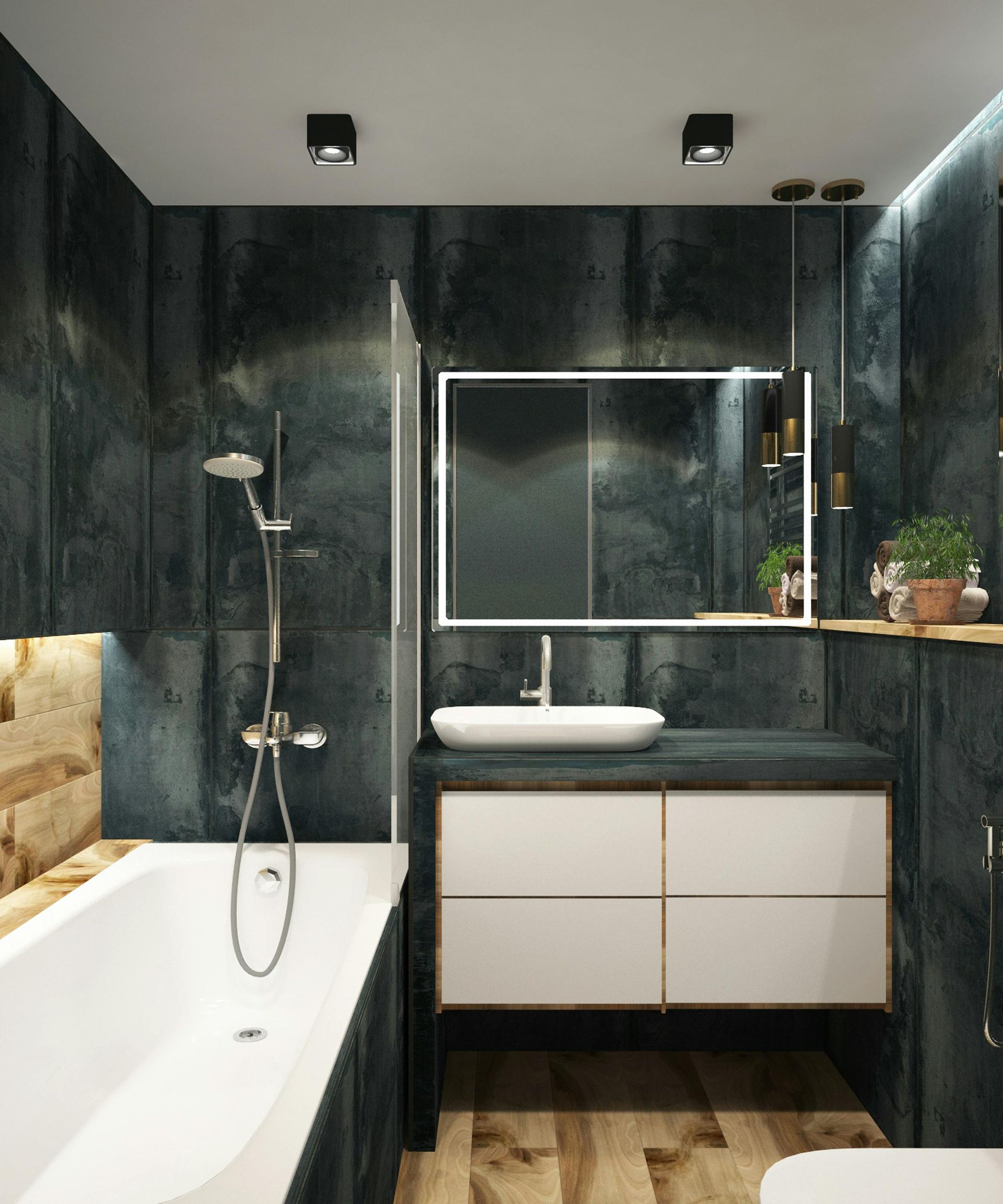
Tub to shower conversion Flagstone Builders Tampa Bay Florida
Where We Serve

Tub to Shower Conversion Service Areas

We provide tub-to-shower conversion services throughout the greater Tampa Bay region. Based in St. Petersburg — every homeowner gets the same quality standards and honest guidance regardless of location.
Pinellas County 8 Cities Served
St. Petersburg
Clearwater
Largo
Palm Harbor
Pinellas Park
Tarpon Springs
East Lake
Lealman
Hillsborough County 3 Cities Served
Tampa
Plant City
Temple Terrace
Manatee County 6 Cities Served
Bradenton
Bradenton Beach
Anna Maria
Holmes Beach
Longboat Key
Palmetto
We are based in St. Petersburg and serve all three counties as our regular service area. A homeowner in Temple Terrace or Longboat Key gets the same level of attention, the same quality standards, and the same honest guidance as a homeowner right in our own neighborhood. Not sure if your address falls within our range? Call us at 727-748-9251 and we will confirm quickly. In most cases the answer is yes. 📞 Call 727-748-9251

Service You Can Trust! Free in-home estimates  ·  Honest slab assessment  ·  Fully licensed and insured in Florida

Get Free Estimate Online
Common Questions

Frequently Asked Questions About Tub to Shower Conversions in Tampa Bay

Real questions from Tampa Bay homeowners — answered straight before you commit to a tub-to-shower conversion project.
It depends on three main variables: the shower type, the drain situation, and what is found during demolition. A prefabricated acrylic shower installation in an existing footprint without slab work typically runs between three thousand and eight thousand dollars in Tampa Bay. A custom tile walk-in shower conversion with waterproofing membrane, porcelain tile, and frameless glass typically runs from six thousand to fifteen thousand dollars depending on size and tile selection. If the project requires concrete slab cutting to access and upgrade the drain line, that adds to the base cost depending on slab depth and drain complexity. Projects where mold remediation, subfloor repair, or plumbing upgrades are found during demolition will cost more than the initial estimate. We recommend budgeting ten to twenty percent contingency above the base estimate for pre-1980 homes. We provide detailed written estimates after visiting your home.
In most cases, yes. Nearly every tub-to-shower conversion involves a drain upgrade from one and a half inches to two inches, which is a plumbing modification requiring a permit in Hillsborough, Pinellas, and Manatee Counties. If the project also involves electrical work for a GFCI outlet or exhaust fan, that requires a permit as well. A slab-on-grade drain relocation always requires a permit. The only conversions that might avoid a permit are those where the drain line already meets shower specifications and no electrical work is needed, which is uncommon. We assess permit requirements at every project and handle all permit applications as part of our standard scope. Unpermitted conversion work creates problems at resale and at refinancing.
It depends significantly on the slab situation and scope. A prefabricated conversion in a wood-frame home without slab work typically completes in three to five business days. A custom tile conversion without slab cutting runs five to ten business days to allow for tile and grout cure time. Any conversion requiring concrete slab cutting for drain access typically runs seven to fourteen business days because the repoured concrete needs adequate cure time before any tile work can begin. One-day conversion claims are realistic only for the most basic prefab installations in homes where the drain is already correctly sized and positioned. Most Florida slab-on-grade homes do not meet those conditions. We give you a project-specific realistic timeline upfront.
It depends on whether the home has another bathtub. Research from the National Association of Home Builders found that 74 percent of buyers prefer a tub and shower in the primary bathroom. If the home being converted has a second bathroom with a bathtub, the impact on resale is generally neutral or positive because a well-done walk-in shower typically appeals to buyers in Tampa Bay's active market. If the conversion would eliminate the home's only bathtub, real estate professionals in this market consistently note that it narrows the buyer pool for families with young children. Our position is simple: we raise this question before every conversion involving a home's only tub. The homeowner should make this decision informed, not after the tub is already gone.
Yes, but it requires more planning and cost than the same conversion in a wood-frame home. In Florida slab-on-grade construction, the drain lines run through the concrete slab. Converting from a tub drain position to a shower drain position typically requires cutting through the slab to access the drain line, rerouting or upgrading the drain, and repouring the slab opening with adequate cure time before tiling. A curbless or zero-entry walk-in shower may also require lowering the shower floor section into the slab to achieve the correct drainage slope without a curb. We assess slab conditions and drain positioning at every conversion site and include the slab work cost in the written estimate. This is a manageable project. It just requires honest planning.
A complete tub-to-shower conversion involves: removing the existing tub and surround, assessing and repairing the substrate behind the surround and below the tub, upgrading the drain line from one and a half inches to two inches, completing any required slab work to access the drain in Florida homes, installing cement board backer over all wet-area wall surfaces, applying a continuous waterproofing membrane over the backer before any tile is placed, sloping the shower floor at a minimum of one quarter inch per foot toward the drain, setting the wall and floor tile or installing prefabricated panels, installing the glass enclosure or door, installing the shower valve with pressure-balance or thermostatic function as required, installing the showerhead and all trim fixtures, and completing all caulk joints. Permits are required for the plumbing scope in most Florida counties.
The right answer depends on how you use your bathroom. If you genuinely do not take baths and the tub space would be more useful as a walk-in shower, and if the home has another bathtub, conversion is usually the better choice. A well-executed conversion improves daily usability, typically appeals to buyers, and makes better use of the bathroom footprint than a tub nobody uses. If you take baths occasionally, or if the home has only one bathtub and you are planning to sell within a few years, a bathtub replacement might be the smarter investment. View our bathtub services page for full guidance on when replacement is the right call. We are happy to discuss both options at a free in-home consultation without pushing you toward either one.
Demolition is the one phase where a confident DIY homeowner can reasonably contribute by removing the tub surround and tub to save on labor cost. The plumbing work, waterproofing, and tile installation should be professionally handled in a Florida home. The drain upgrade from one and a half to two inches involves plumbing that must be permitted and inspected. Slab cutting in a Florida home requires specialized equipment and knowledge of slab depth and drain line routing. Waterproofing membrane installation requires correct product selection and application technique to be effective. Incorrectly installed waterproofing in a Florida shower leads to mold behind the tile within a few years, which costs significantly more to remediate than a professional installation would have cost originally.
Florida Building Code requires a shower to be at least thirty inches by thirty inches minimum in any direction. Most standard alcove tubs are sixty inches long and about thirty inches wide, so the existing tub footprint typically provides adequate floor space for a functional walk-in shower. For homeowners who want a larger shower, expanding beyond the tub footprint requires additional framing, additional tile, and potentially moving the toilet or vanity to create the additional space. Expanding the shower footprint also increases the cost for waterproofing materials and tile installation. In most Tampa Bay homes, working within the existing tub footprint is the most cost-effective approach unless a larger shower is a specific priority.
An aging-in-place tub-to-shower conversion should address four things. First, curbless or zero-entry design eliminates the step-over hazard at the shower entry. In Florida slab homes, this typically requires lowering the shower floor section into the slab to achieve proper drainage slope. Second, grab bar blocking installed in the shower walls before backer board is applied provides solid anchor points for grab bars added now or later. In CBS concrete block construction, this blocking requires specific installation between the block and the finished wall surface. Third, non-slip floor tile with adequate coefficient of friction reduces slip risk at the wet shower floor. Textured or matte-finish porcelain tile is a good standard choice. Fourth, a handheld adjustable showerhead provides flexibility for seated showering. We approach these four elements as a standard scope package on every aging-in-place conversion we complete.
Ready to Get Started?

Start Your Tub to Shower Conversion
the Right Way Today

Serving St. Petersburg, Tampa, Clearwater, Bradenton, and all of the Tampa Bay area. Call or email us now — honest guidance, no pressure, no obligation.
📞
727-748-9251 Call for Free Consultation
[email protected] Email Us Anytime
📍
St. Petersburg, FL 33709 Serving All of Tampa Bay
Florida General Contractor License No. CBC1264493  |  Fully Licensed and Insured  |  flagstonebuilders.net